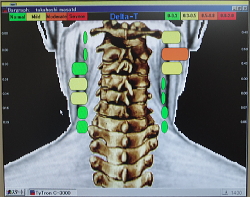
01 · Temperature analysis
Precise temperature measurements along the spine to discern maladaptive "patterns" are one part of the examination process.
Specific Upper Cervical Chiropractic
Chicago, Illinois
Gentle. Specific. Rooted in the Palmer tradition.
Get in Touch →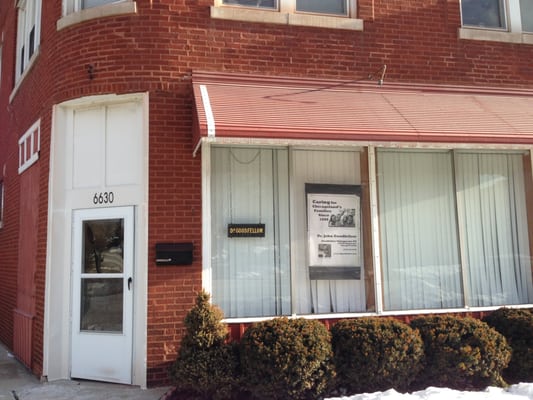
The approach
Dr. John Goodfellow has practiced specific upper cervical chiropractic since 1998, following the Palmer Toggle Recoil tradition.
Learn about the approach →The Palmer tradition
Toggle Recoil is a specific approach to the upper cervical region of the spine. Dr. Goodfellow studied under the late E.L. Crowder, DC, PhC, carrying forward this precise and gentle method of care.
A specific examination
During a visit, a series of measurements helps determine the state of your nervous system.
One of the unique aspects of this type of care is that we will know exactly when and adjustment is needed and, more importantly, when an adjustment is NOT needed.
01 · Temperature analysis
Precise temperature measurements along the spine to discern maladaptive "patterns" are one part of the examination process.
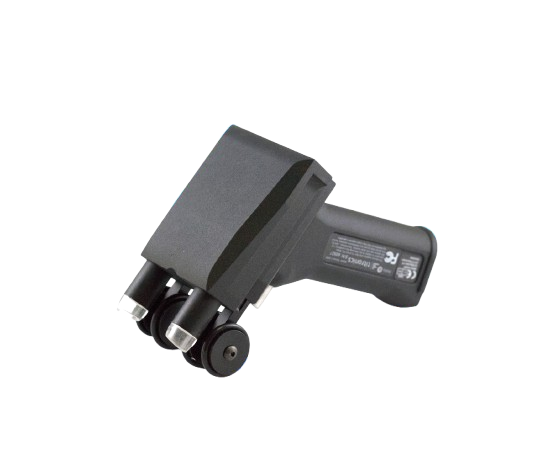
02 · Upper cervical analysis
Measurements beneath the ears provide additional information during the examination.
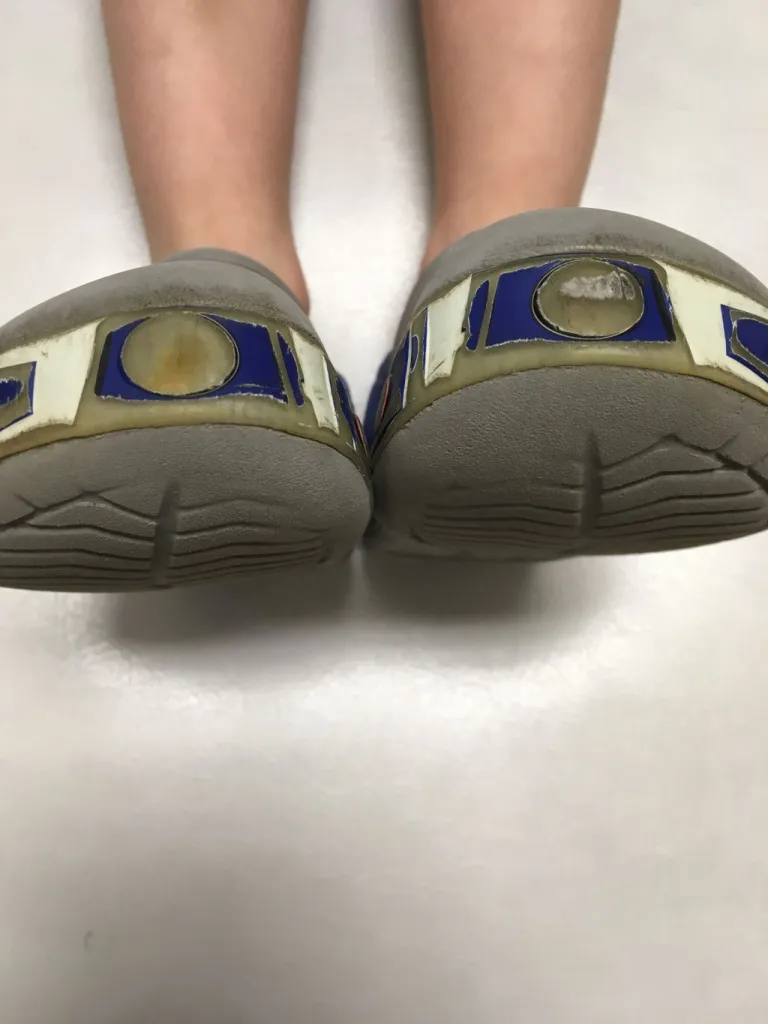
03 · Spinal balance
A leg-length comparison is used to assess asymmetry while you are comfortably on your back.
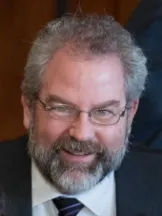
Meet Dr. Goodfellow
Dr. John Goodfellow graduated from Palmer College of Chiropractic— Davenport in 1998 and has practiced for more than 20 years. His focus on upper cervical care is rooted in the Palmer tradition and the mentorship of E.L. Crowder, DC, PhC.
Get in touch →Your first visit
Your first visit includes a consultation, a thorough examination, and a discussion of your findings and care plan. We'll take the time to answer your questions and make sure you understand the procedure.
Discuss your history, concerns, and what brings you in.
Measurements and analysis help identify your unique needs.
A precise, gentle procedure when an adjustment is appropriate.
Review the findings and discuss recommendations.